2 min read
How long does Vin Jaune keep?
Decades, sometimes centuries, and even several weeks after opening: Vin Jaune is a champion of ageing.
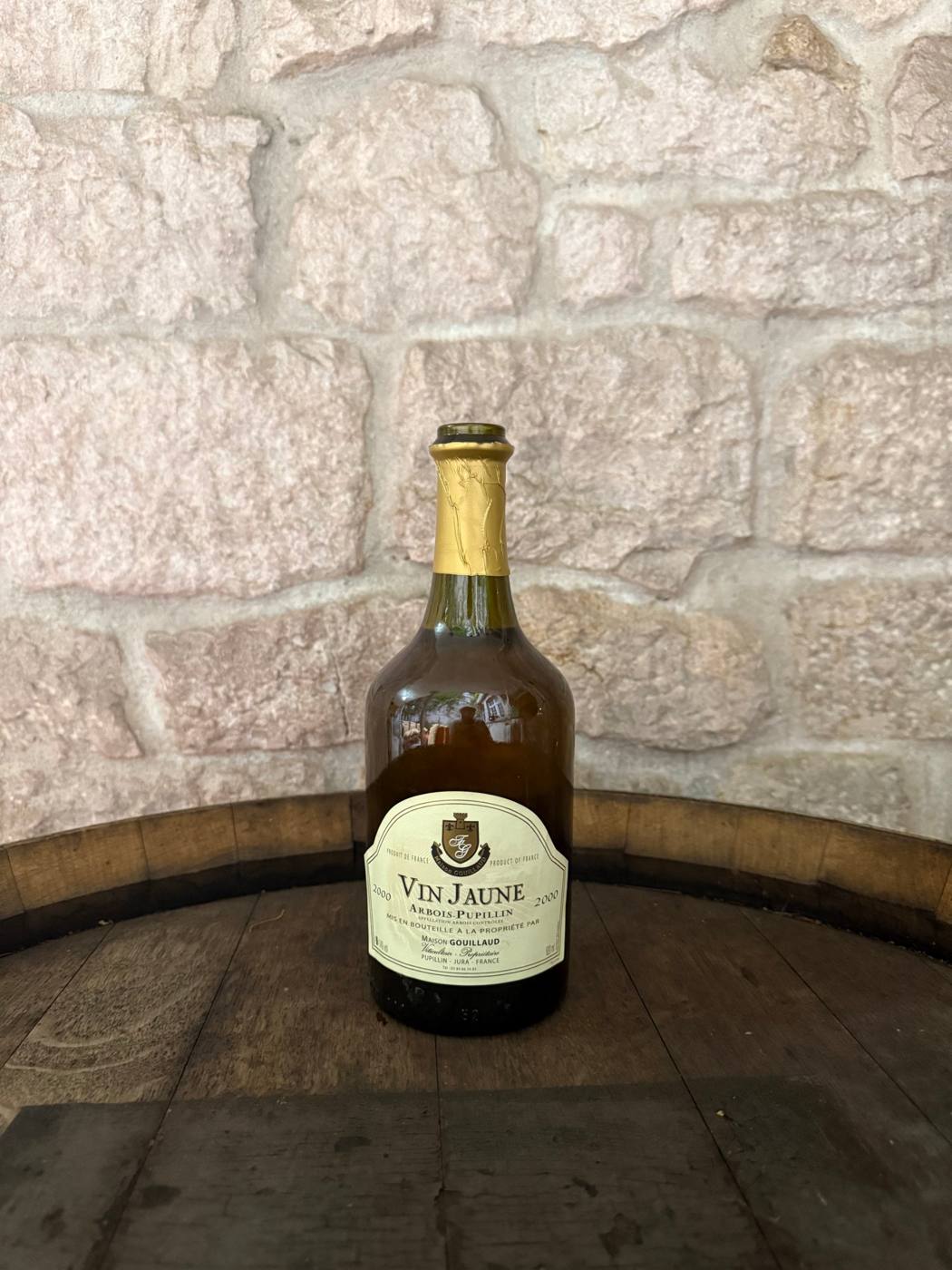
Vin Jaune is one of the longest-lived white wines in the world. Long years under the veil have accustomed it to oxygen, and its high acidity protects it: once in the clavelin, it can develop favourably for several decades.
The most famous example is the bottles of 1774 made by the Arbois grower Anatoile Vercel. Kept by his descendants for eight generations in a vaulted cellar in Arbois, they were tasted in 1994 by twenty-four professionals, who rated them 9.4 out of 10. More than two centuries after the harvest, the wine was still alive. Historians point out, however, that these 18th-century wines for keeping were not yet quite today’s Vin Jaune, whose name only appears in writing in the early 19th century.
Three ages are generally distinguished. Young, between seven and ten years, Vin Jaune is lively and marked by green walnut and apple. Mature, between ten and twenty-five years, it gains spice, curry and morel. Beyond that it develops notes of beeswax, honey and coffee, without losing its tension.
To keep it well, store the clavelin away from light, in a cool cellar at a constant temperature. Vin Jaune has another rare feature: once opened, recorked and kept cool, it lasts several weeks without deteriorating. It is one of the few wines you can open one evening and finish a month later.
Longevity is never immunity, though. Acidity and pH, the wine’s microbiological condition, oxygen at bottling, cork quality and storage conditions act together. A Vin Jaune keeps reacting after bottling: its ageing relies on a favourable evolution, not on absolute protection from air. Hence the value of a stable cellar, and of buying old vintages from reliable sources.
Antoine, Nicolas and Melchior