2 min read
Why is Vin Jaune so expensive?
Six years of waiting, a third of the wine evaporated, barrels set aside: the price of Vin Jaune is explained by time and rarity.
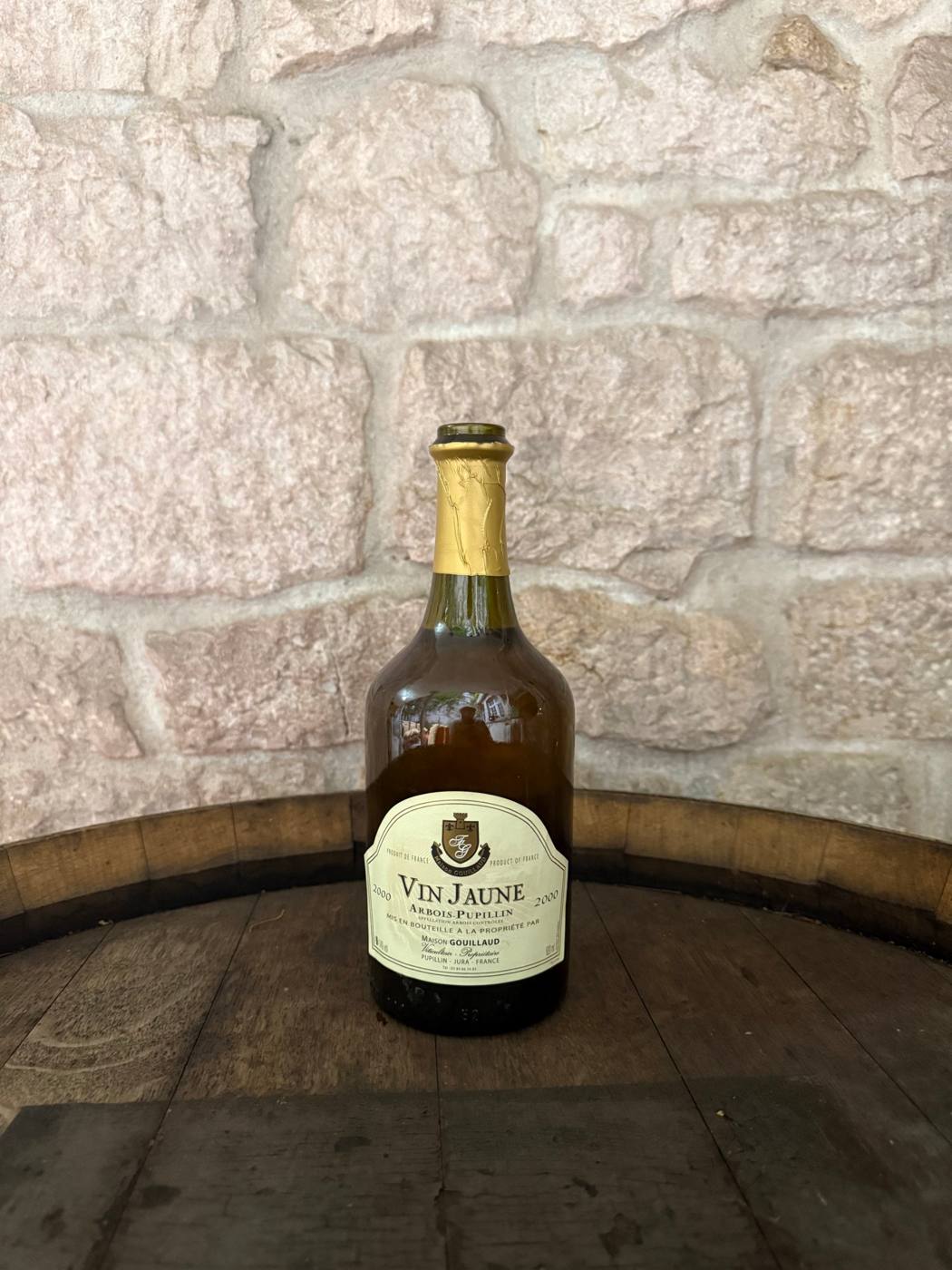
A clavelin of Vin Jaune often costs several tens of euros, and much more for the great names of Château-Chalon. The price is first explained by time. Between harvest and release, more than six years go by. Throughout that period the grower ties up barrels, cellar space and capital without selling anything.
Then there is the angels’ share. The wine slowly evaporates through the wood, and the barrel is never topped up. One litre put into barrel is said to give around 62 centilitres at the end: more than a third of the wine has gone. That is also the origin of the clavelin’s size.
The third factor is risk. The veil is alive and capricious. Some barrels develop volatile acidity or see their veil weaken; the grower sets them aside, and they will never become Vin Jaune. Only the best barrels are kept.
Finally, production is tiny. Château-Chalon alone covers around fifty hectares, and the most sought-after estates make only a few thousand bottles per vintage, often reserved in advance. Savagnin itself is a variety with modest yields, and the Château-Chalon decree caps the harvest at 20 hectolitres per hectare; in some years, such as 1980 and 1984, the appellation was not claimed at all.
Set against that work, Vin Jaune remains accessible compared with other great wines for ageing. And a bottle is shared slowly: once opened, it keeps for several weeks.
The vineyard work counts too. In Château-Chalon, the slopes require hand harvesting, the marls turn alternately sticky and rock-hard, and rain, more frequent than in most French vineyards, forces growers to work between showers. Poor flowering can sharply reduce the crop in some years. The price of a clavelin pays for this labour as much as for the time in the cellar.
Antoine, Nicolas and Melchior